
A narrative change case study about anti-racism, civic engagement, and human rights. When times change, sometimes, organizations change their language. This is a case study about happens when groups start using new words, but don’t actually change how they work.
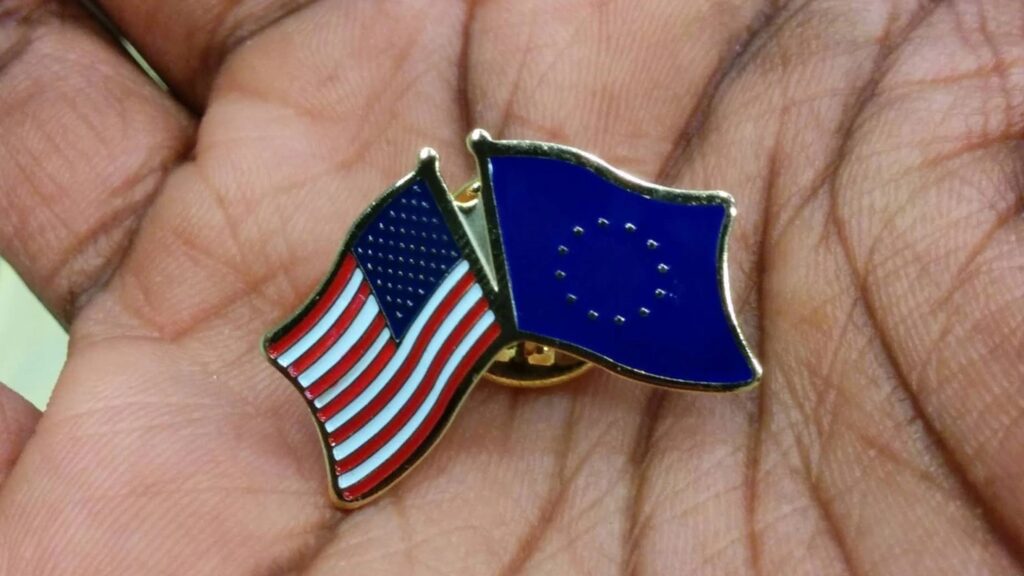
Across cities like Brussels, London, and New York, people can talk a lot about justice. But, if there aren’t systems in place to protect it, rights that have been hard fought for can be taken. We see it happening right now, and maybe you do, too. Rollbacks and democratic backsliding aren’t just coming, they’re clear and present dangers.
People in social movements have known this for a long time. In fact, in the United States, you’ll often hear this chant at protests:
“Whose streets? Our streets!”
On the surface, it means public spaces should belong to the people, not to police, governments, or big businesses. Widening the frame, that chant is also about something deeper. It’s about the tension between individual autonomy and social order, as well as the question of who has the power to define and enforce that order—and whose interests it ultimately serves.
This is a quetstion that shows up at dinner tables and inside the halls of major world bodies like the European Commission, United Nations, and other organizations that want to promote democracy.
There are two different ways that groups can operate. On one end, communities lead. Power comes from the people most affected. Leaders answer to those people. On the other end, the group’s own survival comes first. Leaders answer to funders and powerful partners instead.
We call this tension the distance between: whose streets and whose world?
We’ve seen many groups face varying degrees of this question every day, but few ever call it out loud. And what you do not name, you cannot fix. However the most common, and costly, mistake groups make is this: they start using the language of change without actually changing how they work. They do this because new words take pressure off. Real change takes honest self-reflection, community trust, and restructuring. To their own detriment, most groups pick what they believe will be the easier path.
Before We Started
A prominent Washington, DC-based think tank was at a genuine inflection point. In the wake of George Floyd’s murder and the January 6th attack on the Capitol, their members did something what was rare and important. They started building real systems of accountability from the inside. They made sure panels were diverse, passed the mic, lead communications with care, and practiced the justice-seeking culture that they wanted to see. The grassroots energy was real. The broader moment mattered, too. Public pressure on organizations was at a generational high, creating an unusual opening for institutional change. The think tank was stepping into that opening by doing all the right things.
Then, the leadership translated much of that work into a policy report. The report used the right language, but what was inside delivered something else. Namely, it served up a set of thoughtful, evidence-based lists of policy recommendations that organizations could adopt, absorb, and act on without ever really changing power dynamics from within.
What Changed

From Watching to Actively Building Framework
FUNKY BROWN CHICK has been doing this work since 2005. Over more than 20 years we’ve worked with approximately 100 nonprofit clients, and they’re collective budgets are more than $655 million. We’ve watched this same story play out across well-meaning organizations, in more times than we can count. We have also warned people out loud, on the record, in meetings, in public, and before it happened.
In 2024, we published Three Acts of Justice, written by our founder and a Harvard co-author. We warned that reproductive justice attacks were just the beginning. Things would broaden to other attacks on the 14th Amendment, and birthright / citizenship and marriage equality rights were also at risk. We called this out years before the threats fully materialized. Our core message was precisely this: any right gained can be revoked, overturned, or otherwise taken away at any moment unless the outside power to protect it is built in advance. We said this not as a possibility, rather as a inevitability.
From Prediction to Proof
Unfortunately, the think tank’s story is one we’ve seen many times. When a moment for real change opens up, the pressure to act fast is high. However, acting too quickly is almost always what ends the moment. We know this. Not because we are pessimists, but because we’ve been paying attention for more than 20 years. We know movement spaces very well.
Within one month of the think tank publishing its report, a government agency implemented one of its ideas. It seemed like a win. They succeeded, right? Not quite. Four years later, in a single day, a new administration reversed everything by executive order. Using the think tank report’s own words as the justification, it banned programs that helped women, LGBTQIA+ communities, and others as proof of “divisive and discriminatory policies.” In other words, the think tank’s report not only failed spectacularly, it handed the opposition ammunition.
We were not surprised.
From Analysis to a Tool You Can Use
We don’t gatekeep.
We’ve turned what we’ve learned into something called the “Whose Streets / Whose World” framework. Customizable, it’s our core method of approaching narrative change work with any organization operating at the intersection of institutional power and a community or movement’s demands.
We ask questions such as: Is this group building power in the community, or depending on power that someone else can take away at a future date? Are the people this group serves actually able to hold the group accountable? Is the language of transformation doing the work of transformation?
We know how to ask uncomfortable questions, and we know how to harness answers into sustained action.
The Lasting Impact
This case study is really about what we offer every client. We bring 20 years of experience in how people and groups change, a strong track record of being right before others see things coming, and a clear framework for spotting failure before it happens.
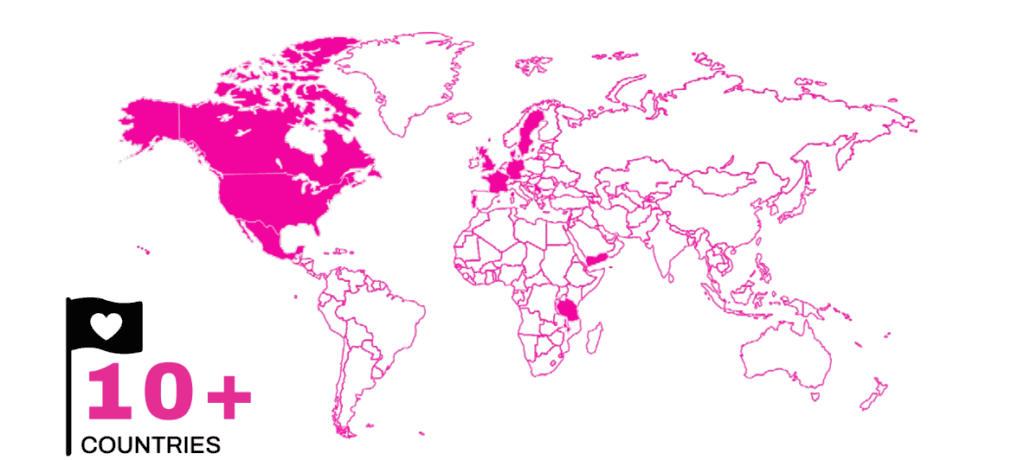
Working with us, you’re getting much more than a communications firm. You’re hiring a team that has been in the room when decisions were made, on both sides of the Atlantic, and has built real tools to prevent the most common traps.
The challenges forward-thinking organizations are working on are not confined to silos or borders, and neither are we. We know that lasting change requires both good policy and real community trust. Worldwide, right now, words like “anti-racist,” “decolonial,” “reproductive justice,” and “intersectionality” are showing up in reports from groups that haven’t quite yet built their capacity to back those words up. At the same time, anti-rights movements are weaponizing rights-based language to roll back the very rights it was meant to protect.
These aren’t future risks. They’re happening now.
The think tank from this case study watched the hopes, dreams, story, and impact of its work get reversed on January 20, 2025. That doesn’t have to be your organization’s story.
Want it to make real, lasting change? If you’ve recently published a policy report or, even better, if you’re working on one right now, get us on your team.