
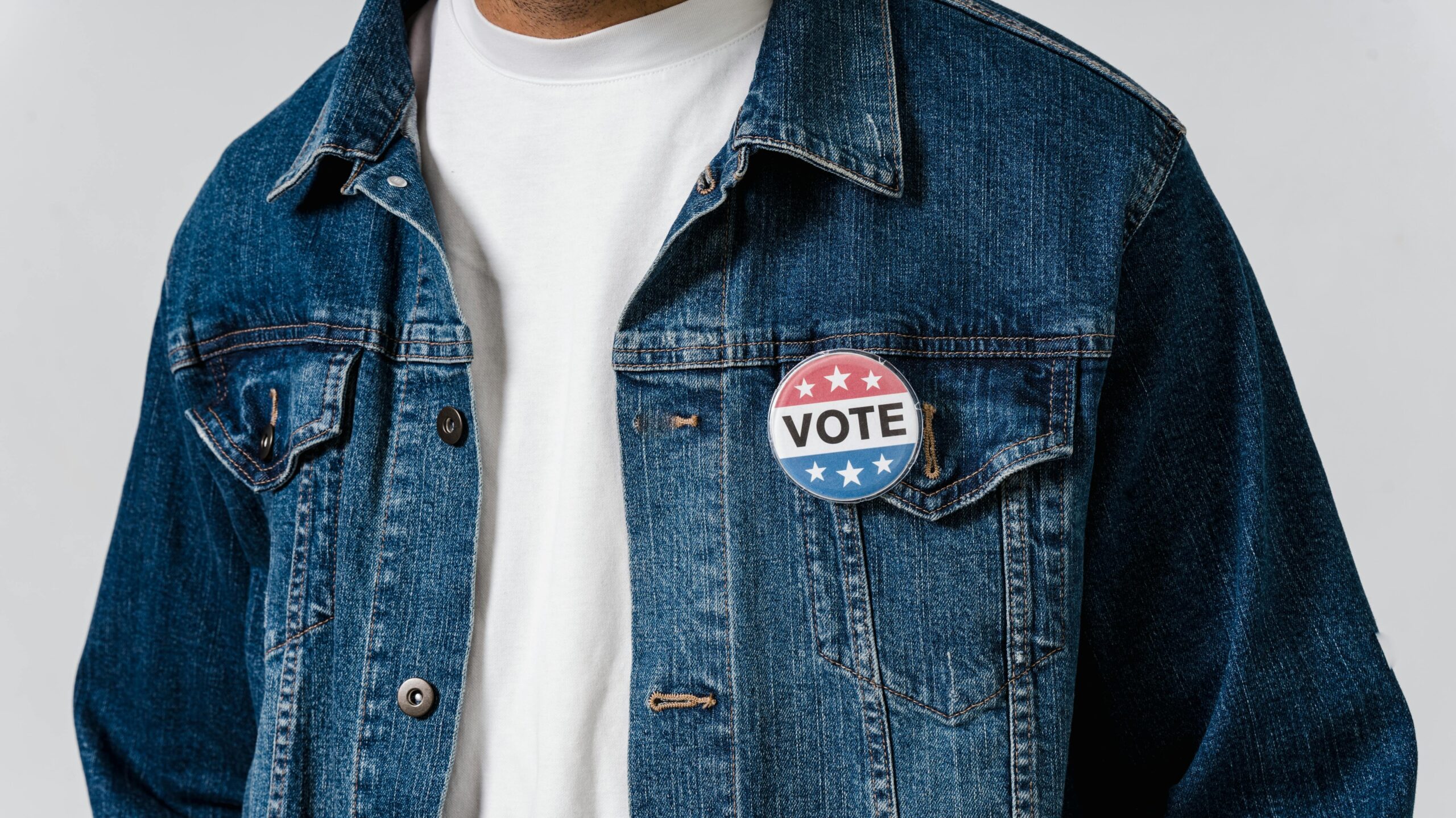
A civic engagement and voting rights case study about formerly incarcerated people’s rights to vote and access to quality mental health care.
Democracy matters. People should be able to make their own informed decisions. This is why civic engagement must include more than voting and contacting elected officials. It’s also important to participate in parent-teacher conferences, community gardens, book clubs, farmers’ markets, credit unions, little free libraries, and all the other ways we engage with each other. But what happens when some members of a community are shut out?
Formerly incarcerated people and returning citizens often face barriers to participation, even long after they have served their time. Led by formerly incarcerated individuals, a Great Lakes-area nonprofit wanted to correct that injustice. In particular, during the 2020 election, they wanted to make sure their community knew how and where to vote. So, they connected with us.
Before We Started
They faced a critical challenge: voting rights vary by state. The very communities they served—people with felony records, those awaiting trial, and recently released individuals—were largely unaware they had the legal right to vote under their state’s law. A swing state, this was vitally important. Misinformation and systemic disenfranchisement kept eligible voters from participating in elections, particularly in communities of color disproportionately targeted by incarceration.
The organization had a minimal digital presence—just 755 monthly Twitter impressions in September 2020, no original social media content, and limited visibility among thought leaders and advocates. Their capacity to reach the communities they served was further constrained by underfunded voter education efforts. They could bring in outside help, but those efforts could face the challenge of building trust. Afterall, the community was rightfully skeptical of outsiders and traditional institutions.
Beyond voting rights, formerly incarcerated individuals faced compounded barriers to mental health care—including distrust of healthcare systems due to historic inequalities, lack of awareness about available services, and cultural incompetence among service providers. Many hadn’t yet been made aware of the free mental health resources available to them, much less how to access them.
What Changed
Voting Rights Campaign
From Digital Invisibility to 87,600+ People Engaged within Two Months
Within a limited timeframe, we helped the organization’s digital presence expand from practically nonexistent to strong and engaged. Twitter reach exploded by 1,462%—from 755 monthly impressions in September to 11,800 in November—and the campaign was seen more than 87,600 times across social media platforms.
From No Original Content to Daily Posts
We knew they had a right to make their voices heard in the democratic process. In September, the organization only reshared others’ content. We built their capacity to produce compelling, original content, reaching 27 posts in October and 45 in November (a 4,100% increase in original content production). More than numbers, our aim was to co-create content with impacted communities, train the organization on digital strategies, and share stories that weren’t usually told.
From Pushed to the Margins to Mainstream Amplification
After working with us, community mentions from advocates and organizations increased 180%—from 15 mentions in September to 42 in November. The organization went from being largely unshared online to being amplified by prominent voices, including Van Jones, Taye Diggs, Governor Whitmer, and their local NAACP chapter. Their massive social media followings exponentially amplified the message that formerly incarcerated people in their state had the right to vote.
From Limited Engagement to Doubled Profile Traffic
Profile visits increased 227%, indicating that people were reading content. They clicked through to learn more, signed up for newsletters, and engaged directly with the organization’s work.
From Misinformation to Informed Participation
Many individuals believed they couldn’t vote due to felony records. The campaign educated them about their actual rights under state law, providing nonpartisan, accurate information that enabled thousands of eligible voters to participate in the 2020 election—a pivotal moment in a crucial swing state.
Mental Health Access Campaign
From Awareness Gap to 108,000+ People Reached
Building on the voting rights campaign’s success, we launched a mental health initiative that reached approximately 108,794 individuals, with 81.5% of video views concentrated in that state, demonstrating highly effective geographic targeting. We improved awareness of mental health resources within the target community.
From Inaccessible Resources to Hundreds Receiving Counseling Information
We created culturally relevant content, including infographics, testimonials, and informational posts that met people where they were, not where institutions wanted them to be. A total of 1,713 individuals received counseling and resource guidance through the campaign’s efforts. This represents a direct, measurable impact on mental health access for a population that historically faces immense barriers to care.
From Limited Visibility to 106,000+ Views
The campaign’s hotline number and digital hub received over 10,000 views on Facebook and more than 96,000 views on Twitter, ensuring thousands of formerly incarcerated individuals could access mental health resources that hadn’t previously been advertised to them.
From Slow Growth to Rapid Mobilization
Despite delays that compressed the campaign into a mere few weeks, we mobilized quickly to ensure maximum impact. We made real-time adjustments to websites, hotline infrastructure, and digital outreach strategies, proving that strategic agility could overcome several timeline constraints without completely sacrificing effectiveness.
The Lasting Impact
These campaigns fundamentally changed how formerly incarcerated individuals in that state understood their rights and access to essential services. We helped shift the organization from a group with a powerful mission but limited reach to one with increased capacity to understand and execute sophisticated digital campaigns, engage influencers, and achieve measurable change.
By breaking down barriers to both civic participation and mental health care, we addressed two critical factors in successful reentry: political voice and psychological well-being.
The voting rights campaign ensured that disenfranchised communities—disproportionately people of color—had accurate, timely information during a pivotal election in a crucial swing state. The mental health campaign addressed the compounded trauma and barriers faced by people returning from incarceration, connecting them to resources that support long-term stability and success.
Together, these campaigns established a model for engaging impacted communities through digital organizing, influencer engagement, capacity building, and culturally competent messaging—a model that continues to inform advocacy work for impacted populations across the US.
We believe the right to vote is a basic human right, and formerly incarcerated people deserve that right just like everyone else. Our clients include individual NGOs and nonprofits, coalitions, federated nonprofits with multiple local or regional affiliates, and foundations supporting multiple grantees that require cross-stakeholder, multi-layered approaches.
If you are working with hard-to-reach communities, we want to support you. Get us on your team.