
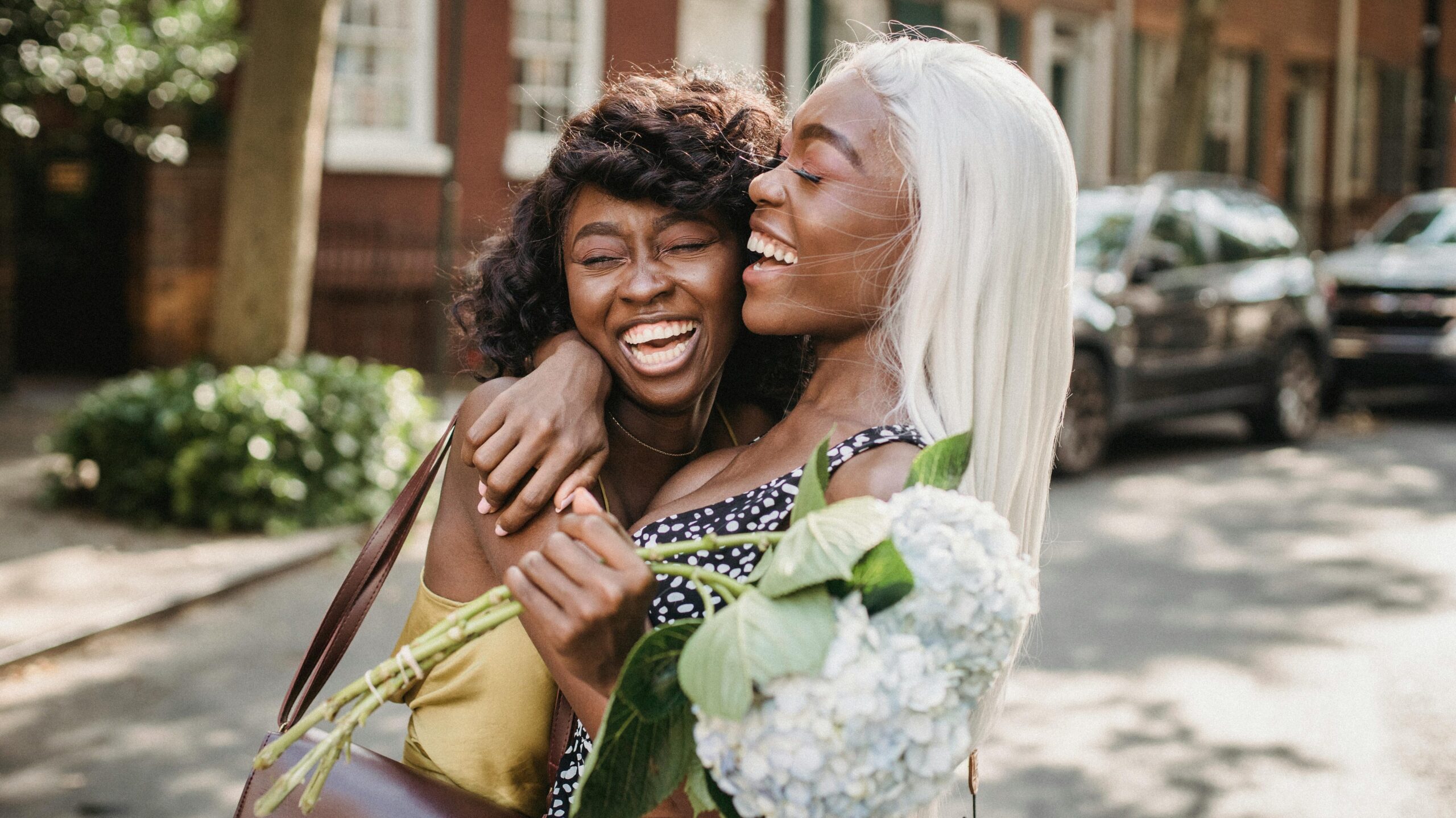
Black History Month 2026 celebrates a century of recorded Black history, and the unstoppable momentum of Black futures. We know this much is true: in what feels like a very fractured world, we must proactively choose to cultivate joy in our lives and in community with others.
Stay ready. Stay inspired. Stay comforted by the knowledge that the only certainty in life is change. If you’re feeling a bit uncertain about your life or the state of the world right now, here are Days to Remember that remind us why we fight. And how we win.
February 1 – 28
Black History Month / Black Futures Month
What started as Negro History Week in 1926 is now a month-long celebration of brilliance and joy. Here is the back story. Historian Carter G. Woodson chose the second week in February as a nod to both Abraham Lincoln’s birthday and Frederick Douglass’ birth & death dates. The original goal was to promote and educate public school students on the history of Black Americans. Later, in 1969, Black students and professors at Kent State University proposed expanding the week to a month. While there are many, many, many places to visit and learn more about Black history, The National Museum of African American History and Culture remains one of our favorites. Celebrate the accomplishments, pride, and futures of Black Americans throughout February—and the rest of the year too!
Sunday, February 1
Tileston v. Ullman; Poe v. Ullman: Supreme Court refuses to hear case on contraceptives.
On this day in 1943, the Supreme Court slammed the door on Dr. Wilder Tileston. Unanimously, they dismissed Tileston v. Ullman. Dr. Wilder Tileston had watched patients risk their lives through pregnancy, and knew he could help them, but the court said no. He argued the law violated both his patients’ right to life and his ability to provide essential care. The Court’s response? He still had no standing to fight for his patients’ rights. When Poe v. Ullman challenged the same law 18 years later, the Court again refused to act.
As often happens in life, those “losses” became fuel. In 1965, Griswold v. Connecticut broke through. The landmark victory in 1965 established the right to contraception.
Today? Healthcare providers are still on the frontlines, stlil refusing to let politicians override medical expertise. Patients are still demanding sovereignty over their bodies.
Want to learn more about how we got to where we are today? Want to support healthcare providers? Download our “Three Acts of Justice” report for concrete actions you can take.
Wednesday, February 4
Rosa Parks’ Birthday (1913)
Born this day in 1913, Rosa Parks served as NAACP chapter president, helped orchestrate the Montgomery Bus Boycott, and later worked with Congress. Her carefully planned act of civil disobedience reminds us that effective movements require both bold action and strategic organizing. Today, as we face new battles for racial justice and human dignity, Parks’ example shows us how individual courage combined with collective action creates lasting change.
World Cancer Day
February 4th marks World Cancer Day, a day created by the Union for International Cancer Control to raise awareness of cancer prevention, the need for early detection, and the promise of developing a cure.
Protecting your health starts with knowledge. Understanding your family health history, addressing known risk factors, and staying informed through trusted readings and community events (like Black Women for Wellness’s monthly Keep in Touch meetings focused on breast health) can make a meaningful difference.
Thursday, February 5
Trayvon Martin’s Birthday (1995)
Had he not been murdered, Trayvon Martin would now be 31 years old. The world knows a racist vigilante murderer killed Trayvon Martin. Those who knew him know he was shy, generous, athletic, and interested in sports video games and aviation. His death, as well as the acquittal of his murderer, is a stark reminder of the never-ending struggle against racist violence, and that Black Lives Matter. To learn more about Trayvon Martin’s family and life, watch or read Rest in Power: The Enduring Life of Trayvon Martin. Learn more about the advocacy of Sybrina Fulton, Martin’s mother, here or here.
Wednesday, February 11
International Day of Women and Girls in Science
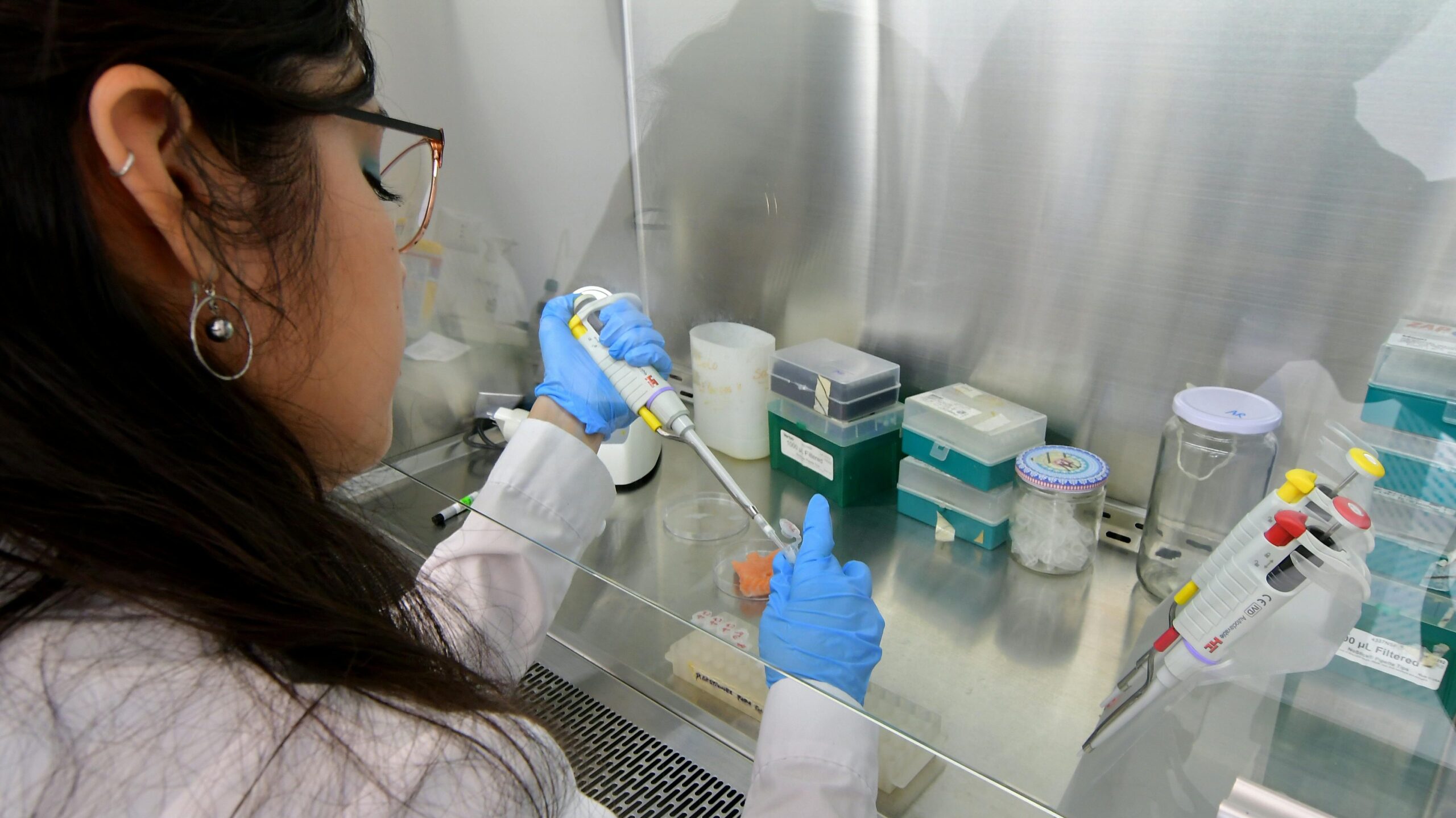
2026 marks the 11th anniversary of the International Day of Women and Girls in Science. Women and girls bring essential perspectives to science, from climate justice to healthcare, yet they remain underrepresented across STEM. Too often, girls are discouraged from entering these fields, and women who do face persistent bias and high rates of sexual harassment in education and the workplace.
This International Day of Women and Girls in Science, we must commit to building STEM spaces that support, protect, and advance women and girls—because equity in science is essential to our future.
Friday, February 13
International Condom Day
Condoms are an essential, safe, affordable option that simultaneously prevents HIV, STIs, and unplanned pregnancies.
But access and education are key.
Ready to support comprehensive sex education and reproductive health access? Contact FUNKY BROWN CHICK’s Founding CEO & Chief Relationships Officer, Twanna A. Hines, for stigma-free information about sexual health and how you can make an impact!
Saturday, February 14
Valentine’s Day
Whether February 14 brings joy, heartbreak, or indifference, there’s no “right” way to experience it. This holiday has constantly evolved—from ancient Roman festivals to medieval poetry to today’s modern celebrations. Once rooted in religious tradition, it became associated with romantic love by the 1700s.
Today, Valentine’s Day can be whatever you need it to be: a moment for self-care, a celebration of community or chosen family, or simply another Saturday. However you choose to mark it (or not) we honor your choice.
Public Announcement of the American Sexual Health Association (ASHA)
Originally created to curb sex work and what was then known as “venereal diseases,” a group of about two dozen physicians, social workers (including Jane Addams), and educators banded together in 1914 to create the “American Social Hygiene Association.” Although many of the organization’s early initiatives were sex negative, the organization was one of the first in the US to tackle comprehensive sex education. These days, the modern American Sexual Health Association works to provide information on and advocate for better policies around sexually transmitted infections.
V-Day
V-day is an organization and a movement with a simple mission: to end violence against women and girls. By using creativity as a catalyst for change, the organization believes that “art has the power to transform thinking and inspire people to act.” The movement began as an outgrowth of Eve Ensler’s groundbreaking play The Vagina Monologues. This play, as well as A Memory, A Monologue, A Rant and A Prayer, is now performed across the world on Valentine’s Day, to educate others on violence against women, and to benefit local anti-violence activities. Learn more about this day and discover how you can celebrate here.
Tuesday, February 17
Lunar New Year
The Lunar New Year, also known as the Chinese New Year or Spring Festival, is a time to celebrate family, new beginnings, and good fortune. This year, on February 17, we celebrate the Year of the Fire Horse. People decorate their homes with red, enjoy festive meals, give red envelopes for luck, and take part in parades and dragon dances. It’s a time to come together, honor tradition, and look forward to what the year ahead will bring.
Wednesday, February 18
Audre Lorde’s Birthday (1934)
Born in New York City, Audre Lorde was a revolutionary poet, teacher, and activist. Even as a young person, poetry informed her life—she would memorize poems, and use those poems to verbally communicate how she was feeling. She began writing poetry as she entered adolescence and had her first poem published in Seventeen magazine at age 15.
A lifelong advocate of social justice, the self-described “black, lesbian, feminist, mother, warrior, poet” stressed the importance of acknowledging intersecting identities, often pointing out when activists failed to do so. In 1980 she co-founded Kitchen Table: Women of Color Press as a means to promote works by Women of Color. Lorde was appointed State Poet of New York in 1991, and sadly died of liver cancer the next year.
In the years since her death, her words continue to be prescient: “… the master’s tools will never dismantle the master’s house… And this fact is only threatening to those women who still define the master’s house as their only source of support.”
Toni Morrison’s Birthday (1931)
Born in Lorain, Ohio on this day in 1931, Toni Morrison transformed American literature by centering Black women’s stories and unflinchingly confronting racial injustice. The Nobel laureate’s works, from The Bluest Eye to Beloved, showed how art could both witness trauma and imagine freedom. Though we lost Morrison in 2019, her words continue to light the way: “The function of freedom is to free someone else.”
Want to explore how storytelling drives social change? Visit our Art for Social Change impact area.
Thursday, February 19
Executive Order 9066
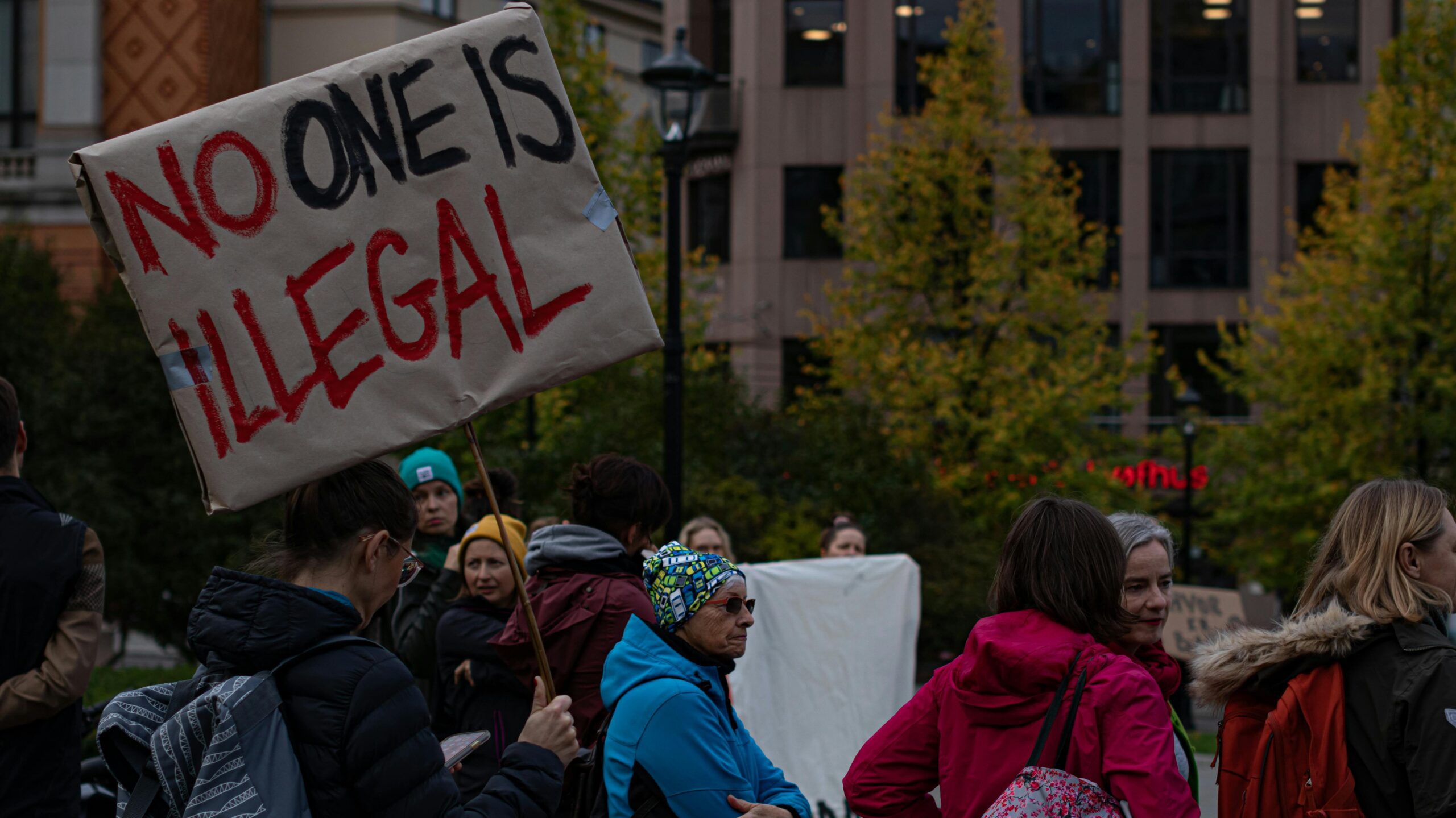
On February 19, 1942, Executive Order 9066 forced Japanese Americans (regardless of citizenship) into mass incarceration. While the US government claimed to do so in the name of “national security,” it was an act of racially motivated fear. Entire communities were stripped of their rights based on their perceived immigration status.
That same fear is alive today. ICE raids, detention centers, and constant surveillance treat immigrant families as if they’re threats by default. History has already shown us how dangerous this is.
Remembering Executive Order 9066 isn’t just about looking back—it’s a warning. Targeting people because of race, nationality, or immigration status isn’t safety. It’s a moral failure. We can do better. We need policies rooted in care, dignity, and community, not fear. We need to stand with immigrants and make sure history doesn’t repeat itself.
Looking for ways to contribute to immigrant safety? Check out these resources:
- American Civil Liberties Union
- Immigrant Legal Resource Center
- Detention Watch Network
- Freedom for Immigrants
- National Immigrant Justice Center
Amy Tan’s Birthday (1952)
Born in Oakland, California on this day in 1952, Amy Tan revolutionized American literature by centering immigrant stories and mother-daughter relationships typically pushed to the margins. From The Joy Luck Club to her most recent book, The Backyard Bird Chronicles, Tan’s work shows how personal narratives can challenge cultural stereotypes and build bridges across generations. Through novels, memoirs, children’s books, and even opera, she proves that art can transform how we see ourselves and each other.
The Feminine Mystique Published (1963)
The subject of some controversy since its first printing, this influential book written by feminist Betty Friedan disavowed the media-promoted view that truly “feminine” women could (and should) only find satisfaction within the domestic sphere (housekeeping, child rearing, etc.). Women felt dissatisfied, trapped, and unable to live up to these expectations, Friedan asserted. The book’s influence on society was so great that The Feminine Mystique became the best-selling book of 1964. However, because the book took a second-wave feminist approach that largely focused on the concerns of middle-class white women, it did not adequately address many struggles that women with less money and women of color were already experiencing.
Friday, February 20
Death of Frederick Douglass (1895)
When Frederick Douglass died on this day in 1895, he left a blueprint for fighting injustice that resonates powerfully today. Born enslaved in 1818, he taught himself to read—an act of resistance that would shape his life as an abolitionist, writer, and orator. His work linked struggles against slavery with women’s suffrage, showing how movements for justice strengthen each other.
In our continued fight for equity and justice, Douglass’s words ring with renewed urgency: “Power concedes nothing without a demand.”
Want to honor his legacy? Support organizations fighting voter suppression, donate to freedom libraries, or join local groups protecting the right to learn our full history. His Washington, D.C. home, now a national historic site, offers another way to connect with his enduring impact.
World Day of Social Justice
Momentum is building.
Over 300 organizations worldwide have joined the new Global Coalition for Social Justice, pushing for concrete policy changes instead of empty promises.
But institutional reform is just the start. Real justice grows from the ground up. Support your local worker centers defending labor rights, join climate justice groups fighting environmental racism, or connect with reproductive justice organizations protecting bodily autonomy.
Because social justice isn’t just about changing systems—it’s about changing who has the power to shape them.
Saturday, February 21
Presidents’ Day
What began as a celebration of George Washington’s birthday has become a complicated reflection point in US democracy. Amid ongoing threats to voting rights and democratic institutions, this holiday demands more than simple celebration. It requires us to confront hard questions about presidential power, accountability, and who our systems actually serve.
Originally established in 1879, this day has evolved from honoring Washington to acknowledging all presidents—both their achievements and their failures. Today, it reminds us that democracy isn’t guaranteed. It must be actively defended through civic engagement, protected voting rights, and continued demands for justice. The presidency shapes history, but the people’s collective action shapes the presidency.
Saturday, February 28
NAACP Image Awards
The 57th NAACP Image Awards showcase more than entertainment—they highlight how art and activism intertwine. From Kendrick Lamar’s unflinching social commentary to Doechii’s push for mental healthcare, this year’s nominees demonstrate Black artists’ power to shape cultural narratives and drive social change. As debates about representation and equity continue, these awards remind us: celebrating Black excellence isn’t just about recognition—it’s about creating space for voices that transform society.
February’s Message…

These February milestones, from Rosa Parks’ strategic resistance to the birth of many social justice icons, remind us that progress isn’t linear, but it is possible.
The path ahead won’t be easy. But whether we’re honoring Black excellence at the NAACP Image Awards or fighting for social justice in our communities, February shows us that change happens when we stay engaged, speak truth, and work together.
Need help reaching your own mission’s goals? Give us a shout! We’re here to help you make an even bigger impact in your community!