

The $100 Million Question: What Does a Girl Need?
That’s a wrap! This week, Spain won the 2026 FIFA World Cup final in New York. For the first time
Welcome to our hub on Art for Social Change. If you’re seeking ways to use art as a tool for advocacy, we provide the insights, resources, and strategies to help you create positive change. Tap into our articles, case studies, tips, and insights to amplify your impact through the arts. If you don’t find what you’re looking for, feel free to contact us—we’re here to help you harness the power of art for social impact.
That’s a wrap! This week, Spain won the 2026 FIFA World Cup final in New York. For the first time

From international film festivals to community theater productions and local art galleries, visuals and stories move people in ways that statistics and policy briefs simply cannot. Documentary films are uniquely effective at making the abstract harms of racism concrete, visceral, and visible. This is a case study about a documentary that changed a cultural conversation and the role we played in helping it travel further.
Four years ago, in 2022, the connections were already there. We saw them coming. We knew the harm would be swift, and we wanted to build a framework to communicate the full scope of that harm in an accessible and freely available form that would be grounded in both lived experience and institutional credibility. So, we spent two years researching, documenting, and building it.
A Pulitzer Prize-winning newsroom had the reporting. But journalists aren’t necessarily fundraisers. We built their retargeting system from scratch, introduced their work to 114,560 new potential supporters (a 51% year-over-year increase), and delivered a 4X return on their first digital ad buy. Donor numbers grew by more than 20%. Get the full story.
Fundraising challenges? Comedians to the rescue. 🤡 Laughter is a universal language. Using pop culture strategies, we cut a reproductive justice organization’s cost per donation to 60% below sector average, brought in new major donors, and generated $2.40 for every dollar invested. Our data analysis also revealed that men accounted for nearly a third of donors. It was a demographic they’d never thought to pursue.
At FUNKY BROWN CHICK, Inc., we will be closed on Tuesday, February 17, 2026. Our owner works in both the

2026 arrives with tremendous possibility. While we face critical challenges to reproductive rights, racial justice, and human dignity, we know

Spring has arrived—but there’s little reprieve for those on the frontlines. Yet, as flowers push through frozen ground, we’re witnessing

Progress isn’t just about who gets in the room—it’s about what changes once they’re there. Real equity means power shifts,
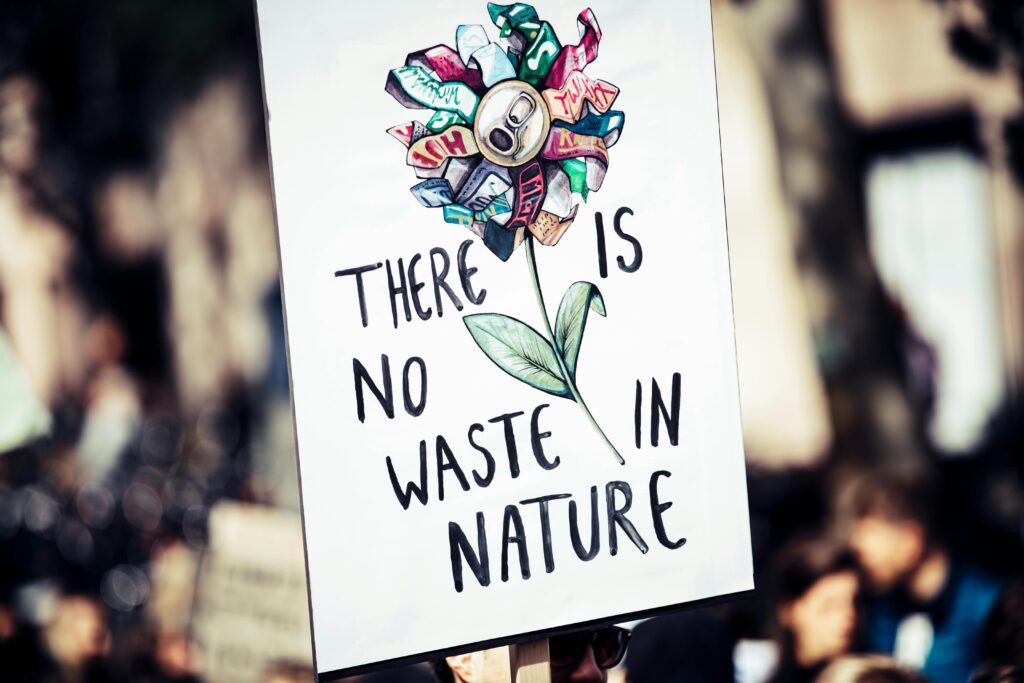
Sometimes petitions fall flat. Policy papers gather dust. Protests fade away. But art? Art sparks revolutions. Social Impact Through Art: