

The $100 Million Question: What Does a Girl Need?
That’s a wrap! This week, Spain won the 2026 FIFA World Cup final in New York. For the first time
That’s a wrap! This week, Spain won the 2026 FIFA World Cup final in New York. For the first time

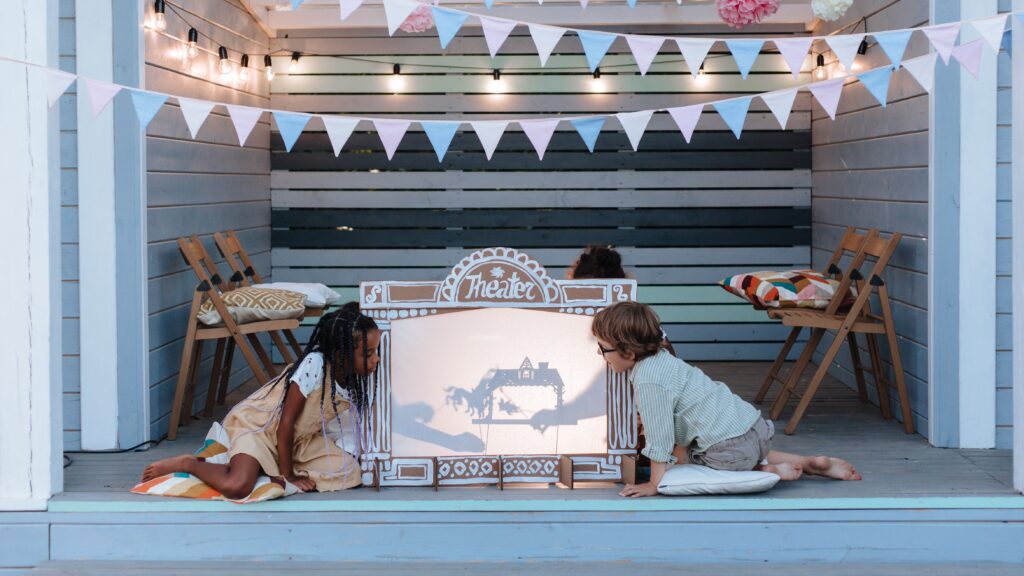
From international film festivals to community theater productions and local art galleries, visuals and stories move people in ways that statistics and policy briefs simply cannot. Documentary films are uniquely effective at making the abstract harms of racism concrete, visceral, and visible. This is a case study about a documentary that changed a cultural conversation and the role we played in helping it travel further.
Four years ago, in 2022, the connections were already there. We saw them coming. We knew the harm would be swift, and we wanted to build a framework to communicate the full scope of that harm in an accessible and freely available form that would be grounded in both lived experience and institutional credibility. So, we spent two years researching, documenting, and building it.

Just because a doctor knows about health disparities doesn’t mean they’ll be able to counter them. Actions save lives. That’s why we worked with a cohort of medical practitioners to close the gap between what they understand and what they do, especially when it comes to improving maternal health outcomes, where a failure to act can cost lives.
Here’s the thing: think tanks often have the momentum and membership base. When a political window opens, the urge to act fast is real. But acting without a protective framework can backfire. A prominent DC-based think tank turned their momentum into a policy paper. Within a month a government institution adopted their recommendation. However, shortly thereafter, a new administration reversed it by executive order, using the think tank’s own words as justification. We saw it coming. Here’s what we built from it.

A faith-based nonprofit had the polling data about contraception attitudes across Kenya, Colombia, the US, Ireland, and the Philippines. It was too good to sit on a shelf. What they found mattered, so we built and implemented a plan that helped it reach 23,185 targeted advocates in a single month, and pulled in support from SIECUS, Ipas, AWID, and others to carry the message forward. See how we did it.
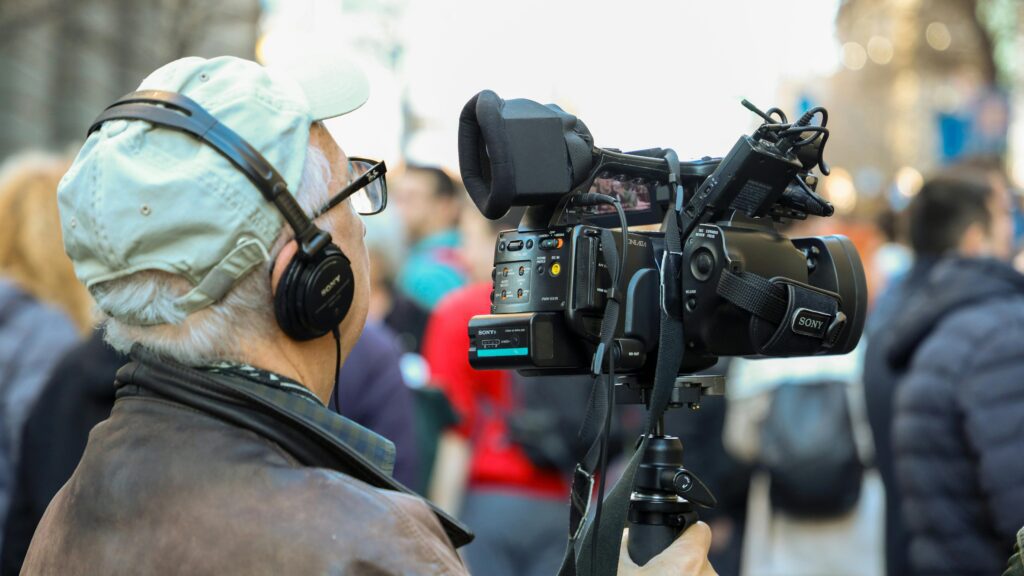
A Pulitzer Prize-winning newsroom had the reporting. But journalists aren’t necessarily fundraisers. We built their retargeting system from scratch, introduced their work to 114,560 new potential supporters (a 51% year-over-year increase), and delivered a 4X return on their first digital ad buy. Donor numbers grew by more than 20%. Get the full story.

Leadership matters. Too often, women (especially women of color) are shut out due to discrimination and systemic barriers. A women’s leadership organization was doing the hard work of helping professionals of color break those barriers to income and advancement. Their digital presence wasn’t telling that story. So we rebuilt their messaging from service descriptions to impact narrative, then built a newsletter strategy now hitting 60–77% open rates, two to four times the international standard. Read the case study.

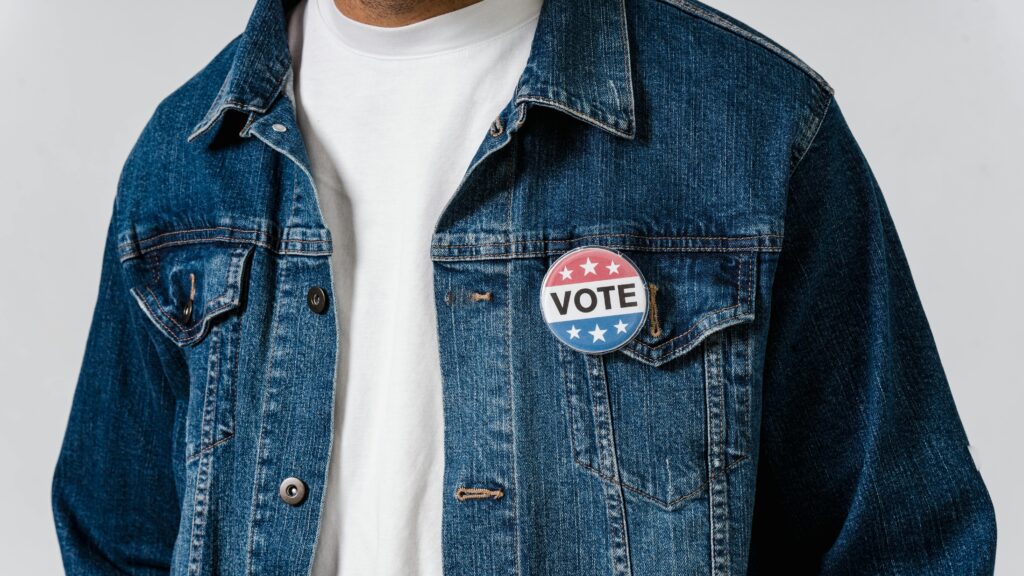
Democratic norms are backsliding. When it comes to civic engagement, a foundation wanted to know which grantees were winning and why. We worked with nearly two dozen grantee-partners on data infrastructure, training, and impact documentation, with 350,000+ voters engaged, nearly 30,000 reproductive justice advocates mobilized, and 25,000+ census pledges secured. Here’s how it came together.
They started with 755 monthly Twitter impressions. Two months later, this organization led by formerly incarcerated people was reaching 87,600+ people across platforms. We then launched a mental health campaign that reached 108,794 individuals and connected 1,713 of them directly to counseling resources. Read the full case study.